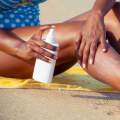
In the realm of skincare, particularly in men's skincare, the significance of sunscreen cannot be overstated. As the first line of defence against the sun's harmful ultraviolet (UV) rays, sunscreen plays a crucial role in maintaining skin health and preventing various skin-related issues. The sun emits two types of UV rays that can adversely affect our skin: UVA and UVB. While In the realm of skincare, particularly in men's skincare, the significance of sunscreen cannot be overstated. As the first line of defence against the sun's harmful ultraviolet (UV) rays, sunscreen plays a crucial role in maintaining skin health and preventing various skin-related issues. The sun emits two types of UV rays that can adversely affect our skin: UVA and UVB. While UVA rays penetrate deeply into the skin and are primarily responsible for premature aging and skin cancer, UVB rays are the main culprits behind sunburn. In the realm of skincare, particularly in men's skincare, the significance of sunscreen cannot be overstated. As the first line of defence against the sun's harmful ultraviolet (UV) rays, sunscreen plays a crucial role in maintaining skin health and preventing various skin-related issues. The sun emits two types of UV rays that can adversely affect our skin: UVA and UVB. While UVA rays penetrate deeply into the skin and are primarily responsible for premature aging and skin cancer, UVB rays are the main culprits behind sunburn.
Therefore, understanding the importance of sunscreen is essential for anyone, especially men, looking to protect their skin from these damaging effects.Utilising sunscreen regularly offers a multitude of benefits beyond just preventing sunburn. It helps to reduce the risk of skin cancer, protects against photoaging, and can even prevent hyperpigmentation and uneven skin tone. Moreover, incorporating sunscreen into your daily skincare routine can enhance the overall appearance of your skin, keeping it youthful and radiant. With the increasing awareness of skin health, more individuals are recognising that sunscreen is not merely an optional product but a vital component of their daily regimen.However, with a plethora of sunscreen options available on the market, it is imperative to understand the differences between various types of SPF products.
Not all sunscreens are created equal; some are designed to withstand water exposure while others are formulated to resist sweat. This distinction is particularly important for those who lead active lifestyles or spend extended periods outdoors. By familiarising yourself with these differences, you can make informed choices that cater to your specific needs and ensure optimal protection against UV damage.
What is SPF? A Comprehensive Overview
Understanding Sun Protection Factor (SPF) is essential for anyone looking to protect their skin from the harmful effects of the sun. SPF is a measure of how well a sunscreen can protect your skin from UVB rays, which are primarily responsible for causing sunburn and can contribute to skin cancer.SPF is calculated based on the amount of time it takes for skin to redden when exposed to UVB rays while wearing sunscreen compared to unprotected skin.For instance, if you typically start to burn after 10 minutes in the sun, applying an SPF 30 sunscreen theoretically allows you to stay in the sun 30 times longer—approximately 300 minutes—without burning. However, this is an ideal scenario and does not account for factors such as sweating, swimming, or towel drying, which can diminish the effectiveness of the sunscreen.It’s crucial to note that SPF only measures protection against UVB rays. While these rays are responsible for immediate skin damage, UVA rays penetrate deeper into the skin and are associated with long-term effects such as premature aging and increased risk of skin cancer. Therefore, it is vital to choose a sunscreen that offers broad-spectrum protection, which means it protects against both UVA and UVB rays.When selecting a sunscreen, consider the following:
- SPF Rating: Higher SPF ratings provide more protection but do not mean you can stay in the sun longer without reapplication.
- Water Resistance: Look for products labeled as water-resistant if you plan on swimming or sweating.
- Skin Type: Choose formulations that suit your skin type; for example, those with oily skin may prefer gel-based sunscreens.
Always opt for a broad-spectrum sunscreen with an appropriate SPF rating for your activities and remember to reapply every two hours for optimal protection.
Understanding Waterproof Sunscreen
Waterproof sunscreen is a crucial component of sun protection, especially for those who enjoy aquatic activities or spend extended periods outdoors. Understanding how waterproof sunscreen works and the guidelines surrounding its labeling can help you make informed choices for your skin's safety.What is Waterproof Sunscreen?
Waterproof sunscreen is formulated to provide a level of protection against UV rays even when exposed to water. However, it’s essential to clarify that no sunscreen is entirely waterproof; instead, they are classified as water-resistant. This means they can maintain their SPF effectiveness for a specified duration while in water.
FDA Guidelines for Labeling
The U.
S. Food and Drug Administration (FDA)
has established specific criteria for sunscreens that claim to be waterproof or water-resistant. According to these guidelines:- A sunscreen can be labeled as waterproof if it retains its SPF level after 80 minutes of water exposure.
- A product can be labeled as water-resistant if it maintains its SPF after 40 minutes of water exposure.
How Waterproof Sunscreen Works
The effectiveness of waterproof sunscreen lies in its formulation, which typically includes a combination of chemical and physical blockers. These ingredients create a barrier on the skin that reflects or absorbs UV radiation.
When applied correctly, this barrier helps prevent the sunscreen from washing away quickly in water.However, factors such as vigorous swimming, towel drying, or prolonged exposure to water can diminish the sunscreen's effectiveness. Therefore, it is crucial to reapply every two hours or immediately after swimming or sweating heavily.
Effectiveness During Water Activities
When engaging in activities like swimming, surfing, or even playing beach volleyball, using a waterproof sunscreen can significantly enhance your skin's protection against sunburn. It allows you to enjoy your time in the water without constantly worrying about reapplication. Nevertheless, always check the product label for specific instructions regarding reapplication times and methods.In summary, while waterproof sunscreens offer enhanced protection during water activities, they are not infallible.
Understanding their limitations and adhering to proper application guidelines will ensure you enjoy your time outdoors while keeping your skin safe from harmful UV rays.
The Science Behind Sweat-Proof Sunscreen
When it comes to choosing the right sunscreen for an active lifestyle, sweat-proof sunscreen emerges as a popular choice. This type of sunscreen is specifically formulated to withstand perspiration, ensuring that your skin remains protected from harmful UV rays even during intense physical activities.Understanding Sweat-Proof Formulation
Sweat-proof sunscreens are designed with unique ingredients that enhance their ability to adhere to the skin, even when moisture is present. These formulations often include:
- Water-Resistant Polymers: These create a barrier on the skin that helps the sunscreen stay in place despite sweating.
- Silicone-Based Compounds: These ingredients provide a smooth application and help lock in the active ingredients, preventing them from washing away.
- Emollients: These moisturising agents not only hydrate the skin but also contribute to the overall durability of the sunscreen against sweat.
The Benefits of Sweat-Proof Sunscreen
Choosing a sweat-proof sunscreen comes with several advantages:
- Enhanced Protection: For those who engage in outdoor sports or workouts, sweat-proof formulations provide an extra layer of defence against UV rays, reducing the risk of sunburn.
- Longer Wear Time: These sunscreens are designed to last longer during physical activities, allowing you to focus on your performance without worrying about frequent reapplication.
- Comfortable Feel: Many sweat-proof sunscreens are lightweight and non-greasy, making them comfortable to wear even during high-intensity workouts.
- Skin-Friendly Options: Many brands offer sweat-proof sunscreens that are suitable for sensitive skin, often free from harsh chemicals and fragrances.
Always remember to check product labels for terms like "sweat-resistant" and follow reapplication guidelines to ensure optimal protection throughout your activities.
Key Differences Between Waterproof and Sweat-Proof Sunscreen
When selecting a sunscreen, understanding the key differences between waterproof and sweat-proof options is essential for effective skin protection. Both types serve specific purposes and are designed to withstand different environmental conditions, but they are not interchangeable.Waterproof Sunscreen
- Definition: Waterproof sunscreens are formulated to maintain their SPF protection for a specified duration while exposed to water. According to FDA regulations, a sunscreen can be labelled as waterproof if it retains its SPF level after 80 minutes of water immersion.
- Ideal Usage: These sunscreens are particularly beneficial for activities such as swimming, water sports, or spending extended periods at the beach. They provide a reliable barrier against UV rays even when wet.
- Reapplication: Despite their water-resistant properties, it is crucial to reapply every two hours or immediately after towel drying to ensure continued protection.
Sweat-Proof Sunscreen
- Definition: Sweat-proof sunscreens are designed to resist the effects of perspiration.
While there are no strict FDA guidelines for this category, products may be labelled as sweat-resistant if they can maintain their SPF effectiveness during physical activities that induce sweating.
- Ideal Usage: These sunscreens are perfect for individuals engaging in outdoor sports, workouts, or any activity that leads to heavy sweating. They help prevent the sunscreen from running into the eyes and causing irritation.
- Skin Type Considerations: Those with oily or acne-prone skin should be cautious with sweat-proof formulations, as they may contain heavier oils that could clog pores.
Comparative Summary
- Waterproof: Best for aquatic activities; retains SPF in water; requires reapplication after 80 minutes.
- Sweat-Proof: Best for high-intensity activities; resists perspiration; reapplication frequency may vary based on activity level.
How to Choose the Right Sunscreen for Your Needs
Choosing the right sunscreen is essential for effective skin protection, and it can be a daunting task given the myriad of options available.To make an informed decision, consider the following factors:
- Skin Type: Your skin type plays a crucial role in determining which sunscreen is best for you. For instance, if you have oily or acne-prone skin, look for oil-free or non-comedogenic formulas that won’t clog pores. Conversely, those with dry skin may benefit from sunscreens that contain moisturising ingredients like hyaluronic acid or glycerin.
- Activity Level: Consider your daily activities when selecting a sunscreen. If you plan to swim or engage in sports, opt for a water-resistant or sweat-resistant formula to ensure lasting protection.
For everyday use, a lightweight lotion or spray may suffice.
- Broad-Spectrum Protection: Always choose a sunscreen that offers broad-spectrum protection against both UVA and UVB rays. UVA rays can lead to premature ageing and skin cancer, while UVB rays are primarily responsible for sunburn. Look for products labelled as "broad-spectrum" to ensure comprehensive coverage.
- SPF Rating: The Sun Protection Factor (SPF) indicates the level of protection against UVB rays. A minimum SPF of 30 is recommended for most individuals, but those with fair skin or a history of skin cancer may require higher SPF levels.
- Ingredients: Pay attention to the active ingredients in your sunscreen.
Chemical sunscreens absorb UV radiation and may contain ingredients like avobenzone or octisalate, while physical (or mineral) sunscreens contain zinc oxide or titanium dioxide that reflect UV rays. If you have sensitive skin, mineral sunscreens are often better tolerated.
Application Tips for Maximum Effectiveness
Applying sunscreen correctly is crucial for ensuring maximum protection against harmful UV rays.Here are some essential tips to help you apply sunscreen effectively:
- Choose the Right Amount: A common guideline is to use about two tablespoons of sunscreen for your entire body. For your face, a nickel-sized amount is generally sufficient. This ensures that you are applying enough product to achieve the SPF level indicated on the label.
- Apply Before Sun Exposure: It’s important to apply sunscreen at least 15 to 30 minutes before going outdoors. This allows the ingredients to bind to your skin and provide effective protection.
- Even Coverage: When applying, make sure to cover all exposed areas, including often-missed spots like the ears, back of the neck, and tops of the feet.
Use a mirror if necessary to ensure even coverage.
- Use a Broad-Spectrum Formula: Always opt for a sunscreen that offers broad-spectrum protection against both UVA and UVB rays. This is essential for comprehensive skin protection.
- Reapply Regularly: Sunscreen should be reapplied every two hours, or more frequently if you are swimming or sweating. Even water-resistant formulas lose their effectiveness over time, so don’t skip this step.
- Reapplication Techniques: When reapplying, use the same amount as your initial application. If you’re using a spray sunscreen, make sure to spray generously and rub it in for even coverage.
For lotions, apply in a circular motion to ensure thorough distribution.
- Consider Your Environment: If you’re at the beach or pool, remember that sand and water can reflect UV rays, increasing your exposure. In such cases, be diligent with reapplication.
- Check Expiry Dates: Sunscreens do have a shelf life. Always check the expiry date on the bottle and replace any expired products to ensure you’re getting effective protection.
Common Myths About Sunscreen Debunked
When it comes to sunscreen, a plethora of myths and misconceptions can cloud our understanding of its effectiveness and necessity.Addressing these common myths is crucial for making informed choices about sun protection.
Myth 1: All Sunscreens Are Waterproof
A prevalent misconception is that all sunscreens labeled as "waterproof" can withstand water indefinitely. In reality, no sunscreen is entirely waterproof. The term "water-resistant" is more accurate, as it indicates that the product can maintain its SPF protection for a limited time while exposed to water. According to FDA guidelines, a sunscreen can only be classified as water-resistant if it retains its SPF after 40 minutes of water exposure, and waterproof claims are valid only for up to 80 minutes.Therefore, it’s essential to reapply sunscreen regularly, especially after swimming or sweating.
Myth 2: Higher SPF Means Better Protection
Many people believe that using a higher SPF guarantees significantly better protection from UV rays. While it’s true that higher SPF numbers offer increased protection, the difference is not as substantial as one might think. For instance, SPF 30 blocks about 97% of UVB rays, while SPF 50 blocks approximately 98%. This marginal increase in protection does not justify the assumption that higher SPF products allow for longer sun exposure without reapplication.Regardless of the SPF level, reapplication every two hours remains essential.
Myth 3: Sunscreen Is Only Necessary on Sunny Days
Another common myth is that sunscreen is only required when the sun is shining brightly. However, UV rays can penetrate clouds and still cause skin damage even on overcast days. Up to 80% of UV rays can reach your skin when it's cloudy. Therefore, applying sunscreen daily, regardless of weather conditions, is vital for ongoing skin protection.Myth 4: Darker Skin Doesn’t Need Sunscreen
Some individuals believe that those with darker skin tones do not require sunscreen due to increased melanin levels providing natural protection against UV rays.While it’s true that darker skin has some inherent protection, it does not eliminate the risk of sun damage or skin cancer. Everyone, regardless of skin tone, should use sunscreen to protect against harmful UV radiation.
Myth 5: Sunscreen Can Replace Protective Clothing
While sunscreen is an essential part of sun safety, it should not be viewed as a substitute for protective clothing or shade. Wearing hats, sunglasses, and long-sleeved clothing can provide additional layers of defence against UV exposure. Combining these methods with proper sunscreen application offers the best protection against sun damage.By debunking these myths surrounding sunscreen use, individuals can make more informed decisions about their sun protection strategies and ultimately safeguard their skin more effectively.Conclusion: Making Informed Choices for Skin Protection
In summary, selecting the right sunscreen is a crucial step in safeguarding your skin from the damaging effects of UV radiation.Throughout this guide, we have explored the distinctions between waterproof and sweat-proof sunscreens, highlighting their unique properties and applications.Understanding the nuances of these products can empower you to make informed choices tailored to your lifestyle and skin type. Here are the key takeaways:
- Waterproof SPF:Waterproof SPF: This type of sunscreen is designed to maintain its protective qualities for up to 80 minutes in water. It is ideal for activities such as swimming or spending time at the beach. However, it is essential to remember that even waterproof sunscreens require reapplication every two hours, especially after swimming or towel drying.
- Sweat-Proof SPF: Formulated to withstand perspiration, sweat-proof sunscreens are perfect for those engaging in vigorous outdoor activities or sports.
While they can resist sweat for a limited time, they too necessitate regular reapplication to ensure continued protection.
- Broad-Spectrum Protection: Regardless of whether you choose waterproof or sweat-proof options, always opt for a sunscreen that offers broad-spectrum protection against both UVA and UVB rays. This ensures comprehensive defence against sunburn and long-term skin damage.
- Skin Type Considerations: Individuals with oily or acne-prone skin should be cautious when selecting sweat-proof formulations, as they may contain heavier ingredients that could clog pores. Lightweight, non-comedogenic options are advisable for such skin types.
By doing so, you can enjoy the sun safely while minimising the risk of skin damage. Remember, consistent application and reapplication of sunscreen is key to maintaining healthy skin throughout the year.