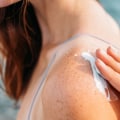
For individuals with sensitive skin, the significance of using sunscreen cannot be overstated. Sensitive skin is often more reactive to environmental factors, making it crucial to shield it from the harmful effects of ultraviolet (UV) rays. These rays can lead to a range of skin issues, including sunburn, premature aging, and even skin cancer. Therefore, understanding the importance of sunscreen is essential for maintaining healthy skin and preventing adverse reactions.UV rays are divided into two main types: UVA and UVB. For individuals with sensitive skin, the significance of using sunscreen cannot be overstated. Sensitive skin is often more reactive to environmental factors, making it crucial to shield it from the harmful effects of ultraviolet (UV) rays. These rays can lead to a range of skin issues, including sunburn, premature aging, and even skin cancer. Therefore, understanding the importance of sunscreen is essential for maintaining healthy skin and preventing adverse reactions.UV rays are divided into two main types: UVA and UVB.
UVA rays penetrate deep into the skin and are primarily responsible for photoaging, while UVB rays are the main culprits behind sunburn. Both types can cause significant damage to sensitive skin, which may already be compromised due to conditions such as eczema or rosacea. This makes it imperative for those with sensitive skin to choose a sunscreen that not only provides broad-spectrum protection but also caters to their unique skincare needs.Moreover, the consequences of neglecting sun protection can be severe. Beyond immediate discomfort from sunburn, prolonged exposure to UV rays can exacerbate existing skin conditions and lead to long-term damage.
For sensitive skin types, this could mean increased redness, irritation, and even flare-ups of underlying conditions. Thus, incorporating a reliable sunscreen into your daily routine is not just a recommendation; it is a necessity for preserving the integrity and health of your skin.
What is Waterproof SPF?
Understanding waterproof SPF is essential for anyone looking to protect their skin, especially those with sensitive skin types. But what exactly does waterproof SPF mean, and how does it differ from regular sunscreens?Definition of Waterproof SPF
Waterproof SPF refers to sunscreens that are formulated to maintain their protective qualities even when exposed to water or sweat. Unlike standard sunscreens, which may wash off easily, waterproof options are designed to adhere more effectively to the skin, providing prolonged protection against harmful UV rays.
How Waterproof SPF Works
The effectiveness of waterproof SPF lies in its unique formulation.
These sunscreens typically contain a combination of chemical and physical filters that create a barrier on the skin's surface. Chemical filters absorb UV radiation, while physical filters, such as zinc oxide or titanium dioxide, reflect it away from the skin.To be classified as waterproof, a sunscreen must pass specific tests that measure its ability to remain effective after exposure to water. The FDA defines two categories: "water-resistant" (effective for up to 40 minutes in water) and "very water-resistant" (effective for up to 80 minutes). This distinction is crucial for individuals who engage in activities like swimming or sweating, as it ensures they receive adequate sun protection.
Importance for Sensitive Skin
For those with sensitive skin, choosing a waterproof SPF is particularly important.
Sensitive skin can react adversely to sun exposure, leading to irritation or rashes. A waterproof formula not only provides a reliable barrier against UV rays but also reduces the frequency of reapplication needed during outdoor activities. This is beneficial as frequent reapplication can sometimes lead to irritation from the product itself.Moreover, many waterproof SPFs are formulated without harsh chemicals or fragrances that can trigger sensitivities. When selecting a waterproof sunscreen, look for labels indicating hypoallergenic properties and suitability for sensitive skin types.In summary, waterproof SPF is an essential component of sun protection for those with sensitive skin.
Its unique formulation ensures lasting protection against UV rays while minimizing the risk of irritation from frequent application.
How to Choose the Right Waterproof SPF for Sensitive Skin
Choosing the right waterproof SPF for sensitive skin is crucial to ensure effective sun protection without causing irritation. Here are some essential factors to consider when selecting the best waterproof sunscreen:- SPF Rating: The SPF (Sun Protection Factor) rating indicates the level of protection against UVB rays, which are primarily responsible for sunburn. For sensitive skin, it is advisable to choose a sunscreen with an SPF of at least 30. This level provides adequate protection for most skin types, but if you have very fair skin or a history of sunburns, consider opting for a higher SPF, such as 50 or above.
- Broad-Spectrum Protection: Ensure that the sunscreen is labeled as broad-spectrum.
This means it protects against both UVA and UVB rays. UVA rays can penetrate deeper into the skin and contribute to premature aging and skin cancer, making broad-spectrum protection essential for comprehensive sun safety.
- Water Resistance: Look for products that specify they are water-resistant or very water-resistant. This indicates that the sunscreen will remain effective for a certain period while swimming or sweating. Typically, water-resistant sunscreens provide protection for either 40 or 80 minutes before needing reapplication.
- Ingredient Considerations: Sensitive skin can react adversely to certain chemicals commonly found in sunscreens.
It is wise to avoid products containing fragrances, parabens, and harsh preservatives. Instead, opt for sunscreens that are labeled as hypoallergenic or specifically formulated for sensitive skin. Ingredients like zinc oxide and titanium dioxide are often gentler on sensitive skin and provide effective physical sun protection.
- Texture and Finish: The feel of the sunscreen on your skin can significantly impact your willingness to use it regularly. Look for lightweight formulations that absorb quickly without leaving a greasy residue.
Gel-based or lotion sunscreens may be preferable for those with oily or combination skin types.
- Patch Testing: Before applying a new sunscreen all over your body, conduct a patch test on a small area of your skin to check for any adverse reactions. This step is particularly important for individuals with highly sensitive skin.
Key Ingredients to Look For in Waterproof SPFs
When selecting a waterproof SPF suitable for sensitive skin, understanding the ingredients is crucial. Certain components can enhance protection while others may cause irritation. Here’s a breakdown of beneficial ingredients to seek out, as well as those to avoid.Beneficial Ingredients
- Mineral Filters: Look for sunscreens that contain zinc oxide or titanium dioxide.
These physical blockers sit on the skin's surface and reflect UV rays, making them less likely to irritate sensitive skin compared to chemical filters.
- Niacinamide: This ingredient is known for its soothing properties and can help reduce redness and inflammation. It also aids in strengthening the skin barrier, making it an excellent choice for sensitive skin.
- Ceramides: Found in many moisturising sunscreens, ceramides help restore the skin's natural barrier and retain moisture. This is particularly beneficial for those with dry or sensitive skin.
- Aloe Vera: Known for its calming effects, aloe vera can help soothe sunburned or irritated skin. Look for products that include this ingredient for added hydration and relief.
- Antioxidants: Ingredients like vitamin E, green tea extract, and grape seed extract can provide additional protection against free radicals generated by UV exposure, enhancing the overall effectiveness of your sunscreen.
Ingredients to Avoid
- Fragrances: Many sunscreens contain synthetic fragrances that can trigger allergic reactions or irritate sensitive skin.
Opt for fragrance-free formulations whenever possible.
- Alcohols: Certain types of alcohol, such as ethanol or isopropyl alcohol, can be drying and irritating. Look for alcohol-free options to maintain skin hydration.
- PABA (Para-Aminobenzoic Acid): Once a common sunscreen ingredient, PABA is now known to cause allergic reactions in some individuals. It’s best to avoid products containing this compound.
- Oxybenzone: This chemical sunscreen agent has been linked to skin allergies and hormone disruption. Many brands are now opting for safer alternatives, so check labels carefully.
Always read labels and consider patch testing new products to ensure compatibility with your skin type.
Top Waterproof SPFs Recommended for Sensitive Skin
When it comes to selecting the best waterproof sunscreens for sensitive skin, it’s essential to consider both effectiveness and skin compatibility. Below are some top recommendations that have garnered positive reviews for their protective qualities and gentle formulations.- La Roche-Posay Anthelios Melt-In Sunscreen MilkLa Roche-Posay Anthelios Melt-In Sunscreen Milk
This sunscreen is a favourite among those with sensitive skin due to its lightweight texture and high SPF of 60. It is water-resistant for up to 80 minutes, making it ideal for outdoor activities. The formula is free from fragrances and parabens, ensuring minimal irritation.Additionally, it contains antioxidants that help protect the skin from environmental damage.
- Neutrogena Sensitive Skin Sunscreen Lotion
With an SPF of 60 and water resistance for up to 80 minutes, this lotion is specifically designed for sensitive skin types. Its oil-free and non-comedogenic formula means it won’t clog pores or cause breakouts. The lightweight feel makes it easy to apply, and it absorbs quickly without leaving a greasy residue. - EltaMD UV Clear Broad-Spectrum SPF 46
This sunscreen is particularly popular among those with acne-prone or rosacea-prone skin. It offers broad-spectrum protection while being oil-free and lightweight.The inclusion of niacinamide helps soothe the skin and reduce redness, making it an excellent choice for sensitive skin. It is water-resistant for up to 40 minutes, providing adequate protection during light water activities.
- CeraVe Hydrating Sunscreen Face Lotion
Formulated with ceramides, this sunscreen not only protects against UV rays with an SPF of 50 but also hydrates the skin. It is water-resistant for up to 80 minutes and is free from fragrances, making it suitable for even the most sensitive skin types. This product helps restore the skin's natural barrier while providing effective sun protection. - Coppertone Sport Sunscreen Lotion
This sunscreen offers a high level of protection with an SPF of 50 and is designed for active individuals.It is water-resistant for up to 80 minutes, making it perfect for sports or swimming. The formula is lightweight and absorbs quickly, ensuring that sensitive skin remains protected without feeling heavy or greasy.
Tips for Applying Waterproof SPF Effectively
Applying waterproof SPF correctly is essential for ensuring that your sensitive skin receives the maximum protection it needs from harmful UV rays. Here are some practical tips to help you apply your sunscreen effectively:Timing is Key
To achieve optimal protection, it’s crucial to apply your waterproof sunscreen at least 15 minutes before sun exposure.This allows the product to form a protective barrier on your skin, ensuring that it can effectively shield you from UV rays as soon as you step outside.
How Much to Use
Many people underestimate the amount of sunscreen required for adequate coverage. A general guideline is to use about two tablespoons (approximately 30ml) for full-body application. For your face, a nickel-sized amount is usually sufficient. Make sure to cover all exposed areas, including:- Your ears
- The back of your neck
- Your scalp (if you have thinning hair)
- Your feet and the tops of your hands
Application Technique
When applying waterproof SPF, use a gentle, even motion to ensure thorough coverage.Here are some tips:
- Dot Method: Apply small dots of sunscreen across your skin and then spread it evenly. This helps ensure that no area is missed.
- Massage In: Gently massage the sunscreen into your skin until fully absorbed. This is particularly important for sensitive skin, as it helps prevent irritation.
Reapplication Guidelines
Even the best waterproof sunscreens need to be reapplied regularly to maintain their effectiveness. Follow these guidelines:- Every Two Hours: Reapply every two hours, especially if you are spending extended periods outdoors.
- After Swimming or Sweating: If you’ve been swimming or sweating heavily, reapply immediately after drying off with a towel.
- Use a Water-Resistant Formula: Choose a sunscreen that is labelled as "water-resistant" or "very water-resistant" for better protection during water activities.
Remember, consistent application and reapplication are key to safeguarding against sun damage.
Common Myths About Waterproof Sunscreens Debunked
When it comes to waterproof sunscreens, there are numerous myths and misconceptions that can lead to confusion and potentially inadequate sun protection. Understanding the facts behind these myths is essential for anyone, especially those with sensitive skin, to make informed choices about their sun care products.Myth 1: Waterproof Sunscreens Don’t Need to Be Reapplied
One of the most prevalent myths is that waterproof sunscreens do not require reapplication. In reality, even the most effective waterproof formulas can wear off due to sweating, swimming, or towel drying. It is recommended to reapply every two hours, or immediately after swimming or excessive sweating, regardless of the product's waterproof claims.Myth 2: Higher SPF Means Better Protection
Many people believe that a higher SPF provides significantly better protection.While it’s true that SPF 50 blocks about 98% of UVB rays compared to SPF 30, the difference in protection is minimal beyond that point. Moreover, no sunscreen can offer 100% protection. Therefore, it’s crucial to apply a broad-spectrum sunscreen with at least SPF 30 generously and frequently.
Myth 3: All Sunscreens Are the Same
This myth can be particularly harmful for those with sensitive skin. Not all sunscreens are formulated equally; some contain harsh chemicals or fragrances that can irritate sensitive skin.It’s important to choose a sunscreen labelled as hypoallergenic or specifically designed for sensitive skin types.
Myth 4: Sunscreen Is Only Necessary on Sunny Days
Many individuals think sunscreen is only needed when the sun is shining brightly. However, UV rays can penetrate clouds and still cause skin damage even on overcast days. Therefore, wearing sunscreen daily, regardless of weather conditions, is essential for long-term skin health.Myth 5: You Can Skip Sunscreen If You Have Darker Skin
Another common misconception is that individuals with darker skin tones do not need sunscreen. While it’s true that melanin offers some natural protection against UV rays, it does not eliminate the risk of sun damage or skin cancer.Everyone, regardless of skin tone, should use sunscreen to protect against harmful UV radiation.By debunking these myths surrounding waterproof sunscreens, individuals can better understand how to protect their skin effectively. Always opt for a broad-spectrum sunscreen with appropriate SPF and reapply regularly for optimal protection against harmful UV rays.
Frequently Asked Questions About Waterproof SPF and Sensitive Skin
When it comes to choosing the right waterproof SPF for sensitive skin, many questions arise. Below are some of the most frequently asked questions that can help clarify your concerns and guide you in making informed decisions.1.What is the difference between waterproof and water-resistant sunscreen?
Waterproof sunscreen is designed to remain effective while you are in the water or sweating. However, it’s important to note that no sunscreen is completely waterproof; instead, they are often labelled as water-resistant for either 40 or 80 minutes.Water-resistant sunscreens maintain their SPF protection for a specified duration when exposed to water or sweat, while waterproof sunscreens may lose effectiveness more quickly.
2.Can I use waterproof SPF on sensitive skin?
Yes, you can use waterproof SPF on sensitive skin, but it’s crucial to choose products specifically formulated for this skin type. Look for sunscreens that are hypoallergenic , free from fragrances, and contain soothing ingredients like aloe vera or chamomile. Always perform a patch test before applying a new product to ensure it doesn’t cause irritation.3.How often should I reapply waterproof SPF?
For optimal protection, reapply your waterproof SPF every two hours, or immediately after swimming or excessive sweating. If you’re using a chemical sunscreen, allow at least 20 minutes after application before entering the water to ensure maximum effectiveness.4.What ingredients should I avoid in sunscreen if I have sensitive skin?
Avoid sunscreens containing fragrances , alcohol , and certain preservatives like parabens, which can irritate sensitive skin.Instead, opt for mineral-based sunscreens with zinc oxide or titanium dioxide, as these ingredients are less likely to cause reactions.
5.Is higher SPF always better?
While a higher SPF does provide more protection against UVB rays, it’s essential to remember that no sunscreen can block 100% of UV rays. An SPF of 30 is generally sufficient for most people when applied correctly. However, if you have very fair skin or a history of skin cancer, consider using a higher SPF for added protection.6.Can I use makeup with SPF on top of my sunscreen?
Yes, you can use makeup with SPF over your sunscreen; however, ensure that your base layer is fully absorbed before applying makeup. For best results, consider using a powder or spray sunscreen for touch-ups throughout the day without disturbing your makeup.By addressing these common concerns and questions about waterproof SPFs and their suitability for sensitive skin, you can make more informed choices that protect your skin effectively while enjoying outdoor activities.Conclusion: Protecting Your Sensitive Skin with Waterproof SPF
In summary, safeguarding your sensitive skin from the sun's harmful rays is not just a matter of aesthetics; it is a crucial aspect of maintaining overall skin health.The right waterproof SPF can make all the difference in ensuring that your skin remains protected while also minimising the risk of irritation and breakouts.Throughout this guide, we have explored the essential factors to consider when selecting a waterproof SPF tailored for sensitive skin. From understanding the significance of broad-spectrum protection to recognising the importance of SPF ratings, each element plays a vital role in your sun protection strategy.Moreover, we highlighted the distinction between chemical and physical sunscreens, emphasising that those with sensitive skin should opt for formulations that are gentle yet effective. Products labelled as "hypoallergenic" or specifically designed for sensitive skin types are often your best bet, as they are less likely to contain irritating ingredients.As you venture into the market for waterproof SPFs, remember to:
- Prioritise high SPF values: Aim for a minimum of SPF 30 to ensure adequate protection.
- Check for water resistance: Look for labels indicating "water-resistant" or "very water-resistant" to maintain protection during activities involving water or sweat.
- Avoid harsh chemicals: Steer clear of products containing fragrances, dyes, and parabens that could exacerbate sensitivity.
This diligence will help maintain an effective barrier against UV rays.Ultimately, investing time in finding the right waterproof SPF for your sensitive skin is an investment in your long-term skin health. By following the guidelines outlined in this guide, you can enjoy outdoor activities with confidence, knowing that your skin is well-protected. Embrace the sun safely and make informed choices that cater to your unique skincare needs.