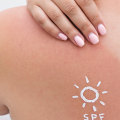
When we think about sun protection, our minds often gravitate towards our faces and bodies, leaving one crucial area overlooked: the scalp. The scalp is an extension of our skin, yet it frequently receives less attention when it comes to safeguarding against the sun's harmful rays. This oversight can lead to significant consequences, particularly for individuals with thinning hair or those who are bald, as their scalps are more exposed and vulnerable to UV damage.Understanding the importance of scalp protection is essential for maintaining overall skin health. The scalp is susceptible to sunburn, which can be not only painful but also detrimental in the long run.
Prolonged exposure to UV radiation can accelerate skin aging, leading to wrinkles and pigmentation issues, and significantly increases the risk of developing skin cancer. Therefore, incorporating a reliable waterproof SPF into your daily routine is not just a precaution; it is a necessity.Moreover, many people are unaware that the scalp can exhibit signs of sun damage similar to other areas of the body. This includes redness, irritation, and even peeling skin. For those with thinning hair or conditions like alopecia, the lack of hair coverage means that the scalp is left unprotected against direct sunlight. Prolonged exposure to UV radiation can accelerate skin aging, leading to wrinkles and pigmentation issues, and significantly increases the risk of developing skin cancer. Therefore, incorporating a reliable waterproof SPF into your daily routine is not just a precaution; it is a necessity.Moreover, many people are unaware that the scalp can exhibit signs of sun damage similar to other areas of the body. This includes redness, irritation, and even peeling skin. For those with thinning hair or conditions like alopecia, the lack of hair coverage means that the scalp is left unprotected against direct sunlight.
This makes it imperative to adopt effective sun protection strategies that include using waterproof SPF specifically designed for this sensitive area.In this guide, we will delve deeper into the significance of using waterproof SPF on your scalp, exploring its benefits and providing practical tips on how to apply it effectively. By prioritising scalp protection, you can enjoy outdoor activities without compromising your skin's health.
Why Your Scalp Needs Sun Protection
When we think about sun protection, our minds often gravitate towards our faces, arms, and legs, leaving the scalp overlooked. However, the scalp is a crucial area that deserves equal attention when it comes to safeguarding against the sun's harmful rays. The skin on the scalp is thinner and more delicate than that on other parts of the body, making it particularly vulnerable to sun damage.Understanding UV Rays and Their Effects
Ultraviolet (UV) rays from the sun are classified into two main types: UVA and UVB.
UVA rays penetrate deeply into the skin and are primarily responsible for premature aging and skin cancer, while UVB rays are known for causing sunburn. Both types can have detrimental effects on the scalp:
- Sunburn: The scalp can easily become sunburned, especially in individuals with thinning hair or bald spots. A sunburned scalp can be painful, leading to redness, peeling, and discomfort.
- Skin Cancer Risk: Prolonged exposure to UV rays increases the risk of developing skin cancer. The scalp is not exempt from this risk; in fact, it can be a common site for skin cancers such as basal cell carcinoma and squamous cell carcinoma.
- Premature Aging: Just like other areas of the skin, the scalp can show signs of aging due to UV exposure.
This includes wrinkles, fine lines, and age spots that can detract from overall appearance.
The Consequences of Neglecting Scalp Protection
Failing to protect your scalp from the sun can lead to several long-term consequences:
- Painful Sunburns: A severe sunburn on the scalp can be excruciating and may require medical treatment.
- Increased Sensitivity: Repeated sun exposure can make your scalp more sensitive over time, leading to discomfort even with minimal sun exposure.
- Long-Term Health Risks: The cumulative effect of UV damage can lead to serious health issues, including various forms of skin cancer.
What is Waterproof SPF?
Understanding waterproof SPF is crucial for anyone looking to protect their skin, especially the scalp, from the sun's harmful rays. But what exactly does waterproof SPF mean, and how does it differ from regular sunscreen?Waterproof SPF Explained
Waterproof SPF refers to sunscreens that are designed to maintain their protective qualities even when exposed to water or sweat. These products are typically labelled as "water-resistant" or "very water-resistant." The distinction lies in their ability to withstand moisture for a specified duration:
- Water-Resistant: This type of sunscreen remains effective for up to 40 minutes in water.
- Very Water-Resistant: This formulation can last for up to 80 minutes while swimming or sweating.
Understanding SPF Levels
The term SPF stands for Sun Protection Factor, which measures the level of protection a sunscreen offers against UVB rays, the primary cause of sunburn and skin cancer.
The higher the SPF number, the greater the protection:
- SPF 15: Blocks approximately 93% of UVB rays.
- SPF 30: Blocks about 97% of UVB rays.
- SPF 50: Blocks around 98% of UVB rays.
Choosing the Right Waterproof SPF for Your Scalp
When it comes to safeguarding your scalp from the sun, selecting the right waterproof SPF is crucial, especially for those with thinning hair. The right sunscreen not only protects against harmful UV rays but also ensures that your scalp remains healthy and comfortable throughout the day.SPF Level
The first consideration should be the SPF level.
It is generally recommended to choose a sunscreen with an SPF of at least 30. This level provides a good balance of protection for most skin types, including sensitive scalps. Higher SPF values, such as 50 or above, offer even more protection, which can be beneficial for individuals who spend extended periods outdoors or have particularly fair skin.
Type of Sunscreen: Chemical vs. Physical
Next, you need to decide between chemical and physical sunscreens.
Chemical sunscreens absorb UV radiation through their chemical ingredients, which can sometimes cause irritation on sensitive skin. On the other hand, physical sunscreens, which contain active mineral ingredients like zinc oxide or titanium dioxide, sit on top of the skin and reflect UV rays away. For those with thinning hair or sensitive scalps, physical sunscreens are often recommended due to their gentler formulation., which contain active mineral ingredients like zinc oxide or titanium dioxide, sit on top of the skin and reflect UV rays away. For those with thinning hair or sensitive scalps, physical sunscreens are often recommended due to their gentler formulation.
Key Ingredients to Look For
When choosing a waterproof SPF for your scalp, pay close attention to the ingredient list. Here are some key components to consider:
- Zinc Oxide: A natural mineral that provides broad-spectrum protection against both UVA and UVB rays.
It is also less likely to irritate sensitive skin.
- Titanium Dioxide: Another mineral that offers effective sun protection and is often found in physical sunscreens.
- Aloe Vera: Known for its soothing properties, aloe vera can help calm any irritation on the scalp while providing hydration.
- Antioxidants: Ingredients like vitamin E and green tea extract can help protect the skin from free radical damage caused by sun exposure.
How to Apply Waterproof SPF on Your Scalp Effectively
Applying waterproof SPF to your scalp is essential for protecting this often-overlooked area from harmful UV rays. Here’s a detailed guide on how to apply sunscreen effectively to ensure maximum coverage and protection.1.Choose the Right Product
- Opt for a waterproof SPF that is at least SPF 30 or higher.
- Consider using a physical sunscreen containing zinc oxide or titanium dioxide, as these ingredients are less likely to irritate sensitive skin.
- Look for products specifically designed for the scalp or hair, as they often come in spray or lightweight lotion forms that are easier to apply.
2.Prepare Your Hair
- If you have long hair, consider tying it back or using a clip to keep it out of the way. This will allow you to access your scalp more easily.
- For those with shorter hair, parting your hair can help expose the scalp more effectively.
3.Application Techniques
- Spray Method: If using a spray sunscreen, hold the bottle about 6-8 inches away from your scalp.
Spray evenly across the exposed areas, ensuring you cover all parts of your scalp.
- Lotion Method: For lotion-based sunscreens, dispense a small amount into your hands and rub them together. Use your fingers to gently massage the lotion into your scalp, focusing on areas that are particularly exposed.
- Use a Brush: For an even application, consider using a clean makeup brush or a dedicated sunscreen applicator. This can help distribute the product evenly without missing any spots.
4.Massage for Even Coverage
After applying the sunscreen, gently massage it into your scalp with your fingertips. This not only helps with absorption but also ensures that every inch of exposed skin is protected.
5.Reapply Regularly
- Reapply every two hours, especially if you are sweating or swimming.
- If you have been in water for an extended period, reapply immediately after drying off with a towel.
6.Additional Tips
- Avoid applying sunscreen on windy days when it may blow away before it has time to absorb.
- If you have very short hair or a shaved head, consider wearing a wide-brimmed hat for added protection against direct sunlight.
- Keep a travel-sized sunscreen in your bag for easy reapplication throughout the day.
Remember, consistent application is key to maintaining effective sun protection!
Reapplication: The Key to Effective Sun Protection
When it comes to sun protection, the importance of reapplication cannot be overstated. Even the most effective waterproof SPF can lose its protective qualities over time, especially when exposed to water, sweat, or friction from clothing and hair. To ensure your scalp remains shielded from harmful UV rays, understanding how often to reapply sunscreen is crucial.How Often Should You Reapply Waterproof SPF?
- As a general rule, it is advisable to reapply waterproof SPF every two hours when you are outdoors. This timeframe is essential for maintaining optimal protection, particularly if you are engaging in activities that may cause sweating or exposure to water.
- If you have been swimming or have towel-dried your hair, it is vital to reapply sunscreen immediately after these activities, regardless of the time elapsed since your last application.
- For those with thinning hair or sensitive scalps, consider applying sunscreen more frequently—every hour—especially during peak sun hours (10 AM to 4 PM) when UV radiation is at its strongest.
Reapplication Tips for Waterproof SPF
- Use a generous amount: When reapplying, ensure you use enough product to cover all exposed areas of your scalp.
A nickel-sized amount is a good starting point, but adjust based on your hair length and scalp exposure.
- Part your hair: To effectively apply sunscreen to your scalp, create sections in your hair. This allows for better access and ensures even coverage across all exposed areas.
- Massage gently: After applying the sunscreen, gently massage it into your scalp. This not only helps with absorption but also ensures that no areas are missed.
- Consider spray sunscreens: For ease of application, especially on the scalp, consider using a spray sunscreen designed for the hair and scalp. These products can provide a quick and even application without disrupting your hairstyle.
Sun Safety Practices
In addition to regular reapplication of waterproof SPF, adopting comprehensive sun safety practices can further protect your scalp:
- Seek shade: Whenever possible, stay in shaded areas during peak sun hours.
This reduces direct exposure to harmful UV rays.
- Wear protective clothing: Consider wearing a wide-brimmed hat or a scarf that covers your scalp. This provides an additional layer of protection against the sun.
- Avoid tanning beds: Tanning beds can also expose your scalp to harmful UV radiation. Opt for safer alternatives like self-tanners if you desire a bronzed look.
The Benefits of Using Waterproof SPF on Thinning Hair
Utilising waterproof SPF on thinning hair offers a multitude of benefits that extend beyond mere sun protection. For individuals with less hair coverage, the scalp becomes increasingly vulnerable to the sun's harmful rays, making it essential to adopt effective protective measures.1.Prevention of Sunburn
One of the most immediate benefits of applying waterproof SPF is the prevention of painful sunburn on the scalp.
A sunburned scalp can lead to discomfort, peeling, and even long-term skin damage. By using a high-quality waterproof sunscreen, you create a protective barrier that significantly reduces the risk of sunburn, allowing you to enjoy outdoor activities without fear of painful repercussions.
2.Protection Against Premature Aging
The sun's ultraviolet (UV) rays are notorious for accelerating the aging process of the skin. For those with thinning hair, the scalp is often exposed to these damaging rays, which can lead to wrinkles, fine lines, and age spots. Regular application of waterproof SPF helps to shield the scalp from UV damage, thereby slowing down the signs of aging and maintaining a youthful appearance.
3.Reduced Risk of Skin Cancer
Perhaps one of the most critical reasons to use waterproof SPF is its role in reducing the risk of skin cancer.
The scalp is a common site for skin cancers, particularly in individuals with thinning hair or bald patches. By diligently applying sunscreen to this sensitive area, you significantly lower your chances of developing skin cancer caused by prolonged sun exposure.
4.Enhanced Comfort During Outdoor Activities
For those who enjoy spending time outdoors, waterproof SPF provides peace of mind. Knowing that your scalp is protected allows you to engage in activities such as swimming, hiking, or playing sports without constantly worrying about reapplying sunscreen or suffering from sunburn.
5.Hydration and Nourishment
Many modern waterproof SPFs are formulated with additional hydrating ingredients that not only protect but also nourish the scalp. This can be particularly beneficial for individuals with thinning hair, as a well-hydrated scalp promotes healthier hair growth and overall scalp health.In summary, incorporating waterproof SPF into your daily routine is essential for anyone with thinning hair.
From preventing sunburn and premature aging to reducing skin cancer risk and enhancing comfort during outdoor activities, the benefits are clear. Prioritising scalp protection is a crucial step in maintaining both skin health and overall well-being.
Common Myths About Scalp Sun Protection Debunked
When it comes to protecting your scalp from the sun, several myths and misconceptions can lead to inadequate sun protection. Understanding these myths is crucial for ensuring that your scalp remains safe from harmful UV rays. Here, we debunk some of the most common myths surrounding scalp sun protection and the use of waterproof SPF.- Myth 1: You don’t need sunscreen if you have hair. Many people believe that having hair provides sufficient protection against the sun.
However, this is not entirely true. While hair can offer some shade, it does not completely shield the scalp from UV rays, especially in areas where hair is thinning or sparse. Therefore, applying waterproof SPF directly to the scalp is essential.
- Myth 2: Waterproof SPF doesn’t need to be reapplied. A common misconception is that waterproof sunscreens are impervious to wear and tear. In reality, even waterproof SPF can lose its effectiveness after prolonged exposure to water or sweat.
It’s recommended to reapply every two hours, or immediately after swimming or excessive sweating, to maintain optimal protection.
- Myth 3: All sunscreens are the same. Not all sunscreens provide equal protection. Chemical sunscreens absorb UV rays, while physical (or mineral) sunscreens reflect them. For those with sensitive scalps or thinning hair, physical sunscreens containing ingredients like zinc oxide or titanium dioxide may be more suitable as they are less likely to cause irritation.
- Myth 4: SPF in hair products is enough. Some hair products contain SPF, leading many to believe that this is sufficient for scalp protection. However, the amount of SPF in these products is often minimal and may not provide adequate coverage for the scalp.
It’s best to use a dedicated waterproof SPF specifically formulated for skin protection.
- Myth 5: Darker skin doesn’t need sunscreen. While it’s true that darker skin has more melanin and offers some natural protection against UV rays, it does not mean that individuals with darker skin are immune to sun damage. Everyone, regardless of skin tone, should apply sunscreen to protect against potential skin issues such as sunburn and skin cancer.
Frequently Asked Questions About Waterproof SPF and Scalp Care
When it comes to protecting your scalp with waterproof SPF, many questions arise. Here, we address some of the most common queries to help you better understand how to care for your scalp in the sun.1.Can I use regular sunscreen on my scalp?
While you can use regular sunscreen on your scalp, it is advisable to opt for a waterproof SPF specifically designed for the scalp.These formulations are often lighter and less greasy, making them more suitable for application on hair-bearing areas.
2.How often should I reapply waterproof SPF on my scalp?
It is recommended to reapply waterproof SPF every two hours, especially if you are sweating or swimming. If you have thinning hair or a sensitive scalp, consider reapplying more frequently to ensure adequate protection.3.Is waterproof SPF safe for all skin types?
Most waterproof SPFs are safe for various skin types; however, individuals with sensitive skin should look for products that contain zinc oxide or titanium dioxide , as these ingredients are less likely to cause irritation.4.What should I do if I get sunburned on my scalp?
If you experience sunburn on your scalp, it is essential to soothe the area with cooling gels or aloe vera. Stay hydrated and avoid further sun exposure until the burn heals. If the pain persists or blisters develop, consult a healthcare professional.5.Can waterproof SPF help with hair loss?
While waterproof SPF does not directly prevent hair loss, protecting your scalp from UV damage can create a healthier environment for hair growth.Additionally, avoiding sunburn can prevent inflammation that may exacerbate hair loss conditions.
6.Are there any specific brands of waterproof SPF recommended for the scalp?
There are several reputable brands that offer waterproof SPF suitable for the scalp. Look for products that are labelled as non-comedogenic, which means they won’t clog pores. Popular options include those from brands like Neutrogena, La Roche-Posay, and Coppertone.7.Can I use waterproof SPF on my scalp if I have colour-treated hair?
Yes, using waterproof SPF on your scalp is safe even if you have colour-treated hair. In fact, protecting your scalp can help maintain the vibrancy of your hair colour by preventing UV damage that can lead to fading.By addressing these frequently asked questions, we hope to enhance your understanding of how to effectively protect your scalp with waterproof SPF and promote overall scalp health.Conclusion: Embrace Sun Safety for Your Scalp Health
In conclusion, prioritising the health of your scalp is essential, especially when it comes to sun protection.The importance of using waterproof SPF cannot be overstated, particularly for individuals with thinning hair or sensitive scalps. By understanding the unique vulnerabilities of your scalp to UV damage, you can take proactive steps to safeguard this often-overlooked area.Throughout this guide, we have explored various aspects of waterproof SPF, from its definition and effectiveness to the best practices for application. Here are the key takeaways:
- Scalp Vulnerability: The scalp is just as susceptible to sunburn and long-term damage as other parts of the body. With less hair coverage, it is crucial to protect this area.
- Choosing the Right Product: Opt for a waterproof SPF with a minimum SPF of 30.
Consider physical sunscreens containing zinc oxide or titanium dioxide for sensitive skin.
- Application Techniques: Proper application is vital. Ensure you part your hair and apply sunscreen directly onto the scalp, massaging it in for even coverage.
- Reapplication is Key: To maintain protection, reapply every two hours or immediately after swimming or sweating.
- Additional Benefits: Regular use of waterproof SPF not only prevents sunburn but also slows down premature aging and reduces the risk of skin cancer.
So, as you step out into the sun, arm yourself with knowledge and the right products to ensure that your scalp remains healthy and protected.