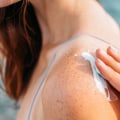
In today's world, the significance of sun protection cannot be overstated. With the increasing awareness of skin health and the detrimental effects of UV rays, incorporating sunscreen into our daily routines has become essential. The sun emits two types of harmful ultraviolet (UV) radiation: UVA and UVB. While UVA rays penetrate deep into the skin, leading to premature aging and wrinkles, UVB rays are primarily responsible for sunburn and can contribute to skin cancer. In today's world, the significance of sun protection cannot be overstated. With the increasing awareness of skin health and the detrimental effects of UV rays, incorporating sunscreen into our daily routines has become essential. The sun emits two types of harmful ultraviolet (UV) radiation: UVA and UVB. While UVA rays penetrate deep into the skin, leading to premature aging and wrinkles, UVB rays are primarily responsible for sunburn and can contribute to skin cancer. , incorporating sunscreen into our daily routines has become essential. The sun emits two types of harmful ultraviolet (UV) radiation: UVA and UVB. While UVA rays penetrate deep into the skin, leading to premature aging and wrinkles, UVB rays are primarily responsible for sunburn and can contribute to skin cancer. In today's world, the significance of sun protection cannot be overstated. With the increasing awareness of skin health and the detrimental effects of UV rays, incorporating sunscreen into our daily routines has become essential. The sun emits two types of harmful ultraviolet (UV) radiation: UVA and UVB. While UVA rays penetrate deep into the skin, leading to premature aging and wrinkles, UVB rays are primarily responsible for sunburn and can contribute to skin cancer.
Understanding these risks is crucial for anyone who values their skin's health.Many people often underestimate the importance of using sunscreen, especially when they plan to wear makeup. However, even on cloudy days or during winter months, up to 80% of UV rays can still reach your skin. This means that daily application of a broad-spectrum sunscreen is vital, regardless of the weather or season. Failing to protect your skin can lead to a range of issues, from dark spots and uneven skin tone to more severe conditions like melanoma.Moreover, the cumulative effect of sun exposure over time can be particularly damaging. Understanding these risks is crucial for anyone who values their skin's health.Many people often underestimate the importance of using sunscreen, especially when they plan to wear makeup. However, even on cloudy days or during winter months, up to 80% of UV rays can still reach your skin. This means that daily application of a broad-spectrum sunscreen is vital, regardless of the weather or season. Failing to protect your skin can lead to a range of issues, from dark spots and uneven skin tone to more severe conditions like melanoma.Moreover, the cumulative effect of sun exposure over time can be particularly damaging.
Each time you step outside without adequate protection, you increase your risk of long-term skin damage. This is why integrating a reliable sunscreen into your beauty regimen is not just a recommendation but a necessity. By doing so, you not only safeguard your skin from immediate harm but also invest in its future health.As we delve deeper into this guide on using waterproof SPF under makeup, it’s essential to remember that effective sun protection is a cornerstone of any skincare routine. Embracing this practice will not only enhance your makeup application but also ensure that your skin remains youthful and radiant for years to come.
What is Waterproof SPF?
Understanding waterproof SPF is essential for anyone looking to protect their skin from harmful UV rays while enjoying outdoor activities.Waterproof SPF refers to sunscreens specifically formulated to remain effective even when exposed to water or sweat. This type of sunscreen is designed to maintain its SPF protection for a longer duration compared to regular formulations, making it ideal for those who lead an active lifestyle.To clarify, waterproof SPF products are tested to ensure they can withstand water exposure for up to 80 minutes without losing their effectiveness. This makes them particularly suitable for swimming, intense workouts, or any situation where you might perspire significantly. However, it’s important to note that no sunscreen is entirely "waterproof"; rather, they are water-resistant up to a certain point.
Waterproof vs Water-Resistant Sunscreen
While the terms waterproof and water-resistant are often used interchangeably, they have distinct meanings in the realm of sun protection:- Water-Resistant Sunscreen: This type of sunscreen can maintain its SPF level for up to 40 minutes of water exposure.
It is suitable for light activities such as walking or casual outings where you may encounter some moisture but not prolonged water exposure.
- Waterproof Sunscreen: As mentioned earlier, this formulation can last for up to 80 minutes in water. It is ideal for more vigorous activities like swimming or sports where you will be submerged or sweating heavily.
Understanding SPF Definitions
The term SPF, or Sun Protection Factor, indicates the level of protection a sunscreen offers against UVB rays, which are primarily responsible for sunburn and contribute to skin cancer.For example, an SPF of 30 means that theoretically, it would take 30 times longer for your skin to burn than if you were not wearing any sunscreen at all.However, it’s crucial to remember that higher SPF numbers do not provide exponentially greater protection. An SPF 30 blocks about 97% of UVB rays, while SPF 50 blocks approximately 98%. Therefore, proper application and reapplication are key factors in ensuring effective sun protection.In summary, waterproof SPF products are an excellent choice for those seeking reliable sun protection during water-related activities. Understanding the differences between waterproof and water-resistant options, as well as the significance of SPF ratings, will empower you to make informed decisions about your sun care routine.
Choosing the Right Waterproof SPF for Your Skin Type
Choosing the right waterproof SPF is essential for ensuring your skin is protected while also feeling comfortable and looking great under makeup.Different skin types have unique needs, and understanding these can help you select the most suitable product.
Best Waterproof SPF for Oily Skin
If you have oily skin, look for a waterproof SPF that is lightweight and non-comedogenic, meaning it won’t clog your pores. Gel-based or matte-finish sunscreens are excellent choices as they absorb excess oil and provide a smooth base for makeup application. Ingredients like zinc oxide or titanium dioxide in mineral sunscreens can help control shine while offering effective sun protection. Additionally, consider products that contain oil-absorbing agents such as silica or kaolin clay.Best Waterproof SPF for Dry Skin
For those with dry skin, hydration is key.Opt for a waterproof SPF that includes moisturising ingredients like hyaluronic acid, glycerin, or aloe vera. Creamy formulations tend to work best as they provide a barrier that locks in moisture while protecting against UV rays. Look for sunscreens labelled as hydrating or nourishing , which will help maintain your skin's moisture levels throughout the day.
Mineral vs Chemical Sunscreen
The choice between mineral and chemical sunscreen often depends on personal preference and skin sensitivity. Mineral sunscreens , which contain active ingredients like zinc oxide and titanium dioxide, work by sitting on top of the skin and physically blocking UV rays.They are generally recommended for sensitive skin types as they are less likely to cause irritation.
Chemical sunscreens
, on the other hand, absorb UV radiation through their chemical ingredients, such as avobenzone or octisalate. These formulations tend to be lighter and may feel more comfortable on the skin, making them a popular choice for those who prefer a more invisible finish. However, individuals with sensitive skin may want to patch-test these products first.Ultimately, the best waterproof SPF for you will depend on your specific skin type and personal preferences. Always remember to check the ingredient list and choose a product that aligns with your skincare needs while providing adequate sun protection.
How to Apply Waterproof SPF Under Makeup
Applying waterproof SPF under makeup is essential for maintaining skin protection while achieving a flawless look.Here’s a detailed guide to help you apply sunscreen effectively without compromising your makeup.
1.Start with a Clean Canvas
- Begin by cleansing your face thoroughly to remove any dirt, oil, or previous makeup. This ensures that the sunscreen adheres properly to your skin.
- Follow up with a suitable moisturiser to hydrate your skin. Allow it to absorb completely before moving on to sunscreen application.
2.Choose the Right Waterproof SPF
- Select a lightweight, non-comedogenic waterproof SPF that suits your skin type. Look for formulations that are oil-free and designed for use under makeup.
- A mineral-based sunscreen can be particularly effective as it provides a physical barrier against UV rays and is less likely to irritate sensitive skin.
3.Apply Generously
- Use about a nickel-sized amount of waterproof SPF for your face.
Apply it evenly across your face and neck, ensuring full coverage.
- Don’t forget areas often overlooked, such as the ears, hairline, and the back of your neck.
4.Allow Time for Absorption
- After applying sunscreen, let it sit for at least 5-10 minutes. This allows the product to absorb fully into your skin and creates a smooth base for makeup.
5.Use a Primer (Optional)
- If you prefer an extra layer of protection and a smoother finish, consider using a makeup primer that contains SPF. This can enhance the longevity of your makeup while providing additional sun protection.
6.Apply Makeup Carefully
- When applying foundation or other makeup products, use gentle tapping motions with a beauty sponge or brush to avoid disturbing the sunscreen layer underneath.
- Avoid heavy layers of foundation; instead, opt for a lightweight formula that allows the SPF to remain effective.
7.Reapply Throughout the Day
- To maintain sun protection, reapply your waterproof SPF every two hours, especially if you’re outdoors. Use a powder sunscreen or setting spray with SPF that won’t disrupt your makeup.
- This ensures continuous protection without the need to start over with your entire makeup routine.
The Role of Makeup Primers with SPF
Makeup primers with SPF have become increasingly popular in the beauty industry, and for good reason.These products not only prepare your skin for makeup application but also offer an additional layer of sun protection. Understanding the benefits of using a primer that contains SPF can significantly enhance your daily skincare and makeup routine.
Benefits of Makeup Primers with SPF
- Enhanced Sun Protection: One of the primary advantages of using a makeup primer with SPF is the added sun protection it provides. While a standalone sunscreen is essential, a primer with SPF can help to reinforce your sun defence, especially if you’re spending extended periods outdoors.
- Smooth Application: Primers create a smooth canvas for makeup application, helping to fill in fine lines and pores. This results in a more even and flawless finish, allowing your foundation and other products to glide on effortlessly.
- Long-Lasting Makeup: By using a primer with SPF, you can improve the longevity of your makeup.
The primer acts as a barrier between your skin and makeup, helping to prevent it from fading or settling into creases throughout the day.
- Hydration: Many primers with SPF also contain hydrating ingredients that can help to keep your skin moisturised. This is particularly beneficial for those with dry or combination skin types, as it ensures that your makeup doesn’t cling to dry patches.
Using Primer with Sunscreen
If you prefer to use a separate sunscreen before applying makeup, it’s important to allow sufficient time for the sunscreen to absorb into your skin. After applying your sunscreen, wait at least 10-15 minutes before applying your primer. This will ensure that the sunscreen has fully settled into your skin, providing optimal protection.
Best Primers with SPF
When selecting a primer with SPF, look for products that offer broad-spectrum protection (UVA and UVB) and have an SPF of at least 30.
Some highly recommended options include:
- Smashbox Photo Finish Primer Oil: This lightweight oil not only hydrates but also provides SPF 30 protection.
- Laura Mercier Foundation Primer Protect: A popular choice among makeup artists, this primer offers SPF 30 while smoothing the skin's texture.
- Supergoop! Unseen Sunscreen: Known for its unique gel-like texture, this product acts as both a sunscreen and a primer, providing a matte finish.
Reapplication Strategies for Waterproof SPF Throughout the Day
Reapplying waterproof SPF throughout the day is essential for maintaining effective sun protection, especially when wearing makeup. Many people overlook this crucial step, leading to increased risk of sun damage. Here are some practical strategies to ensure you stay protected without compromising your makeup.How to Reapply Sunscreen Over Makeup
Reapplying sunscreen over makeup can seem daunting, but it’s entirely feasible with the right products and techniques.Here are some effective methods:
- Use a Powder Sunscreen: Powder sunscreens are a fantastic option for reapplication. They come in various shades and can be dusted over your makeup without disturbing it. Look for a mineral-based powder that contains zinc oxide or titanium dioxide for optimal protection.
- Setting Spray with SPF: Another convenient method is to use a setting spray that includes SPF. These sprays not only refresh your makeup but also provide an additional layer of sun protection.
Simply hold the spray at arm's length and mist it over your face, ensuring even coverage.
- Blotting Papers with SPF: Some brands offer blotting papers infused with SPF. These can absorb excess oil while simultaneously providing sun protection. Gently press the paper onto your skin, focusing on areas that tend to get oily.
Reapplying Waterproof SPF Tips
To maximise the effectiveness of your reapplication strategy, consider the following tips:- Timing is Key: Aim to reapply every two hours, especially if you’re outdoors or sweating. Set a reminder on your phone to help you stay on track.
- Layering Technique: If using powder sunscreen, apply it in light layers to avoid a cakey appearance.
Start with a small amount and build up as needed.
- Focus on High-Risk Areas: Pay special attention to areas that are more prone to sun exposure, such as the nose, cheeks, and forehead. These areas often require more frequent reapplication.
Common Myths About Waterproof SPF and Makeup
When it comes to using waterproof SPF under makeup, several myths and misconceptions can lead to confusion and hesitation. Understanding the truth behind these myths is essential for anyone looking to protect their skin effectively while enjoying a flawless makeup look.Myth 1: Waterproof SPF is Too Heavy for Daily Use
Many people believe that waterproof sunscreens are thick and greasy, making them unsuitable for everyday wear under makeup. However, advancements in formulation have led to the creation of lightweight, non-comedogenic waterproof SPFs that absorb quickly into the skin.
These products are designed to provide effective sun protection without feeling heavy or clogging pores.
Myth 2: You Don’t Need SPF on Cloudy Days
A common misconception is that sunscreen is unnecessary when it’s cloudy. In reality, up to 80% of UV rays can penetrate through clouds, meaning your skin is still at risk of damage. Therefore, applying waterproof SPF daily, regardless of the weather, is crucial for maintaining healthy skin.
Myth 3: Makeup with SPF is Enough Protection
While many makeup products now include SPF, relying solely on them for sun protection can be misleading. The amount of makeup typically applied is often insufficient to provide the advertised level of protection.
To ensure adequate coverage, it’s best to apply a dedicated waterproof SPF before your makeup routine.
Myth 4: You Can Skip Reapplication if You’re Wearing Makeup
Some individuals think that wearing makeup means they don’t need to reapply sunscreen throughout the day. This is a dangerous myth. Even waterproof SPFs lose their effectiveness over time, especially after sweating or exposure to water. It’s essential to reapply every two hours, and using a powder sunscreen or setting spray with SPF can make this process easier without disturbing your makeup.
Myth 5: All Sunscreens are the Same
Not all sunscreens offer the same level of protection or formulation benefits.
It’s important to choose a product specifically labelled as waterproof or water-resistant, as these are designed to withstand moisture and maintain their SPF effectiveness longer than regular sunscreens. Always check the label for specific instructions on how long the product remains effective in water.By debunking these common myths about waterproof SPF and its use under makeup, you can make informed decisions that enhance your skincare routine while ensuring your skin remains protected from harmful UV rays.
Frequently Asked Questions About Waterproof SPF Under Makeup
When it comes to using waterproof SPF under makeup, many individuals have questions and concerns. Here, we address some of the most frequently asked questions to help you navigate your sun protection routine effectively.1.Can I use regular sunscreen instead of waterproof SPF under makeup?
While you can use regular sunscreen, waterproof SPF is specifically designed to withstand moisture and sweat, making it a better choice for prolonged outdoor activities. Regular sunscreen may not provide the same level of protection if you are sweating or in contact with water.2.How do I apply waterproof SPF without disrupting my makeup?
To apply waterproof SPF without disturbing your makeup, consider using a powder sunscreen or a setting spray that contains SPF.These products can be lightly dusted or misted over your makeup, allowing for reapplication without smudging or altering your look.
3.Is it necessary to reapply waterproof SPF if I’m wearing makeup?
Yes, reapplication is crucial. Even though waterproof SPF is designed to last longer, it’s recommended to reapply every two hours, especially if you are outdoors. Using a setting spray with SPF can make this process easier and more convenient.4.What should I do if my makeup feels heavy after applying sunscreen?
If your makeup feels heavy after applying sunscreen, try using a lightweight formula or a gel-based sunscreen that absorbs quickly into the skin. Additionally, allow the sunscreen to fully absorb before applying your makeup to prevent a cakey appearance.5.Can I mix my foundation with waterproof SPF?
Mixing foundation with waterproof SPF is generally not recommended as it can dilute the effectiveness of the sunscreen.Instead, apply the sunscreen first and then layer your foundation on top for optimal protection.
6.Are there specific ingredients I should look for in waterproof SPF?
Look for ingredients such as zinc oxide or titanium dioxide , which are effective physical blockers against UV rays. Additionally, ensure that the product is labelled as waterproof or water-resistant, depending on your needs.By addressing these common queries, we hope to enhance your understanding of how to effectively use waterproof SPF under makeup, ensuring both beauty and protection from harmful UV rays.Conclusion: Embracing Waterproof SPF in Your Makeup Routine
In summary, integrating waterproof SPF into your daily makeup routine is not just a trend but a vital step towards maintaining healthy skin. As we have explored throughout this guide, the sun's harmful UV rays pose a significant risk to our skin, leading to issues such as premature aging and increased chances of skin cancer. Therefore, prioritising sun protection is essential, regardless of whether you are enjoying a day outdoors or simply going about your daily activities.Choosing the right type of sunscreen is paramount.Opting for a lightweight, non-greasy formula ensures that your makeup remains intact while providing the necessary protection. Mineral-based sunscreens are particularly effective as they create a physical barrier against UV rays without clogging pores. Remember to select a product with an SPF of at least 30 for optimal protection.Applying sunscreen before your makeup is crucial for achieving the best results. This allows the product to absorb fully into your skin, enhancing its effectiveness.
Additionally, using a primer with SPF can streamline your routine while still offering sun protection. However, it’s important to remember that even waterproof formulas require reapplication every two hours, especially if you are exposed to water or sweat.To make reapplication easier without disturbing your makeup, consider using powder sunscreens or setting sprays that contain SPF. These products can refresh your look while ensuring that your skin remains shielded from harmful rays.Ultimately, embracing waterproof SPF in your makeup routine is a proactive approach to skincare. By following these guidelines and making sun protection a priority, you can enjoy beautiful makeup while safeguarding your skin's health for years to come.
Start today by incorporating these practices into your daily regimen and experience the benefits of radiant, protected skin.